Here’s the State of Influencers and Social Media in 2026
The creator economy means business now.
If you've been watching the creator economy like it's the latest season of your favorite show—full of plot twists, unexpected power moves, and characters you didn't see coming—you're not alone.
The relationship between influencers and social media in 2026 looks nothing like it did even two years ago. And honestly? That's a good thing.
Did you know? 💫
FOR EVERY $1 SPENT ON INFLUENCER MARKETING,
BUSINESSES SEE AN AVERAGE RETURN OF $6.50
The Influencers and Social Media Industry Is Bigger Than Ever
Let's start with the numbers, because they're hard to ignore.
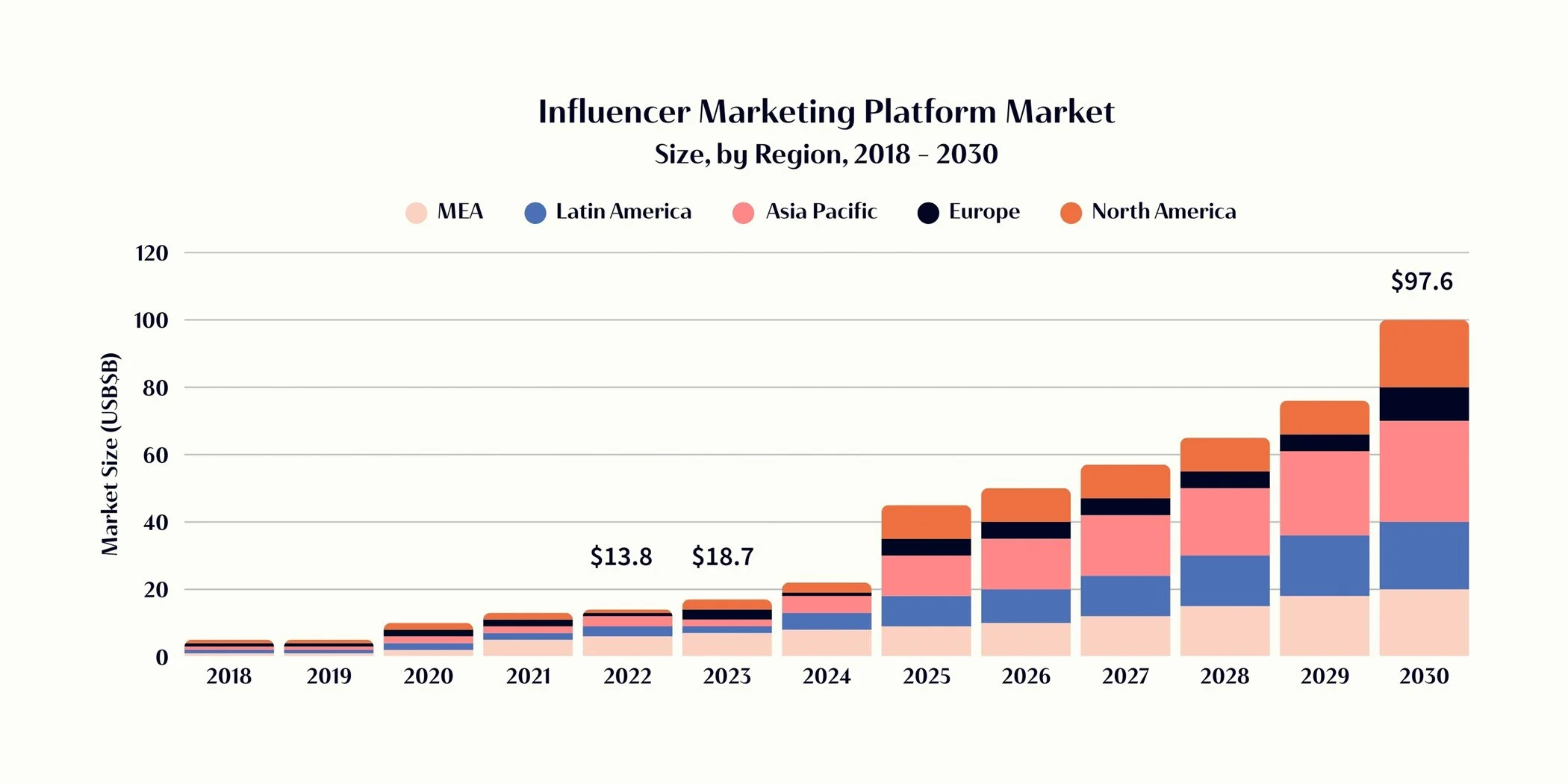
The global influencer marketing industry has blown past the $30 billion mark—and it's not slowing down. Steady annual growth is expected to continue well into 2026 and beyond. For context: this same industry was worth $1.7 billion back in 2016.
That's not a trend. That's a transformation.
And brands have taken notice. 74% of brands are actively moving budget into creator programs in 2026. Not testing the waters—moving budget. There's a difference.
Influencers and Social Media Are Now Performance Channels
Vanity Metrics Are Out. Performance Is In.
Follower count is officially a participation trophy.
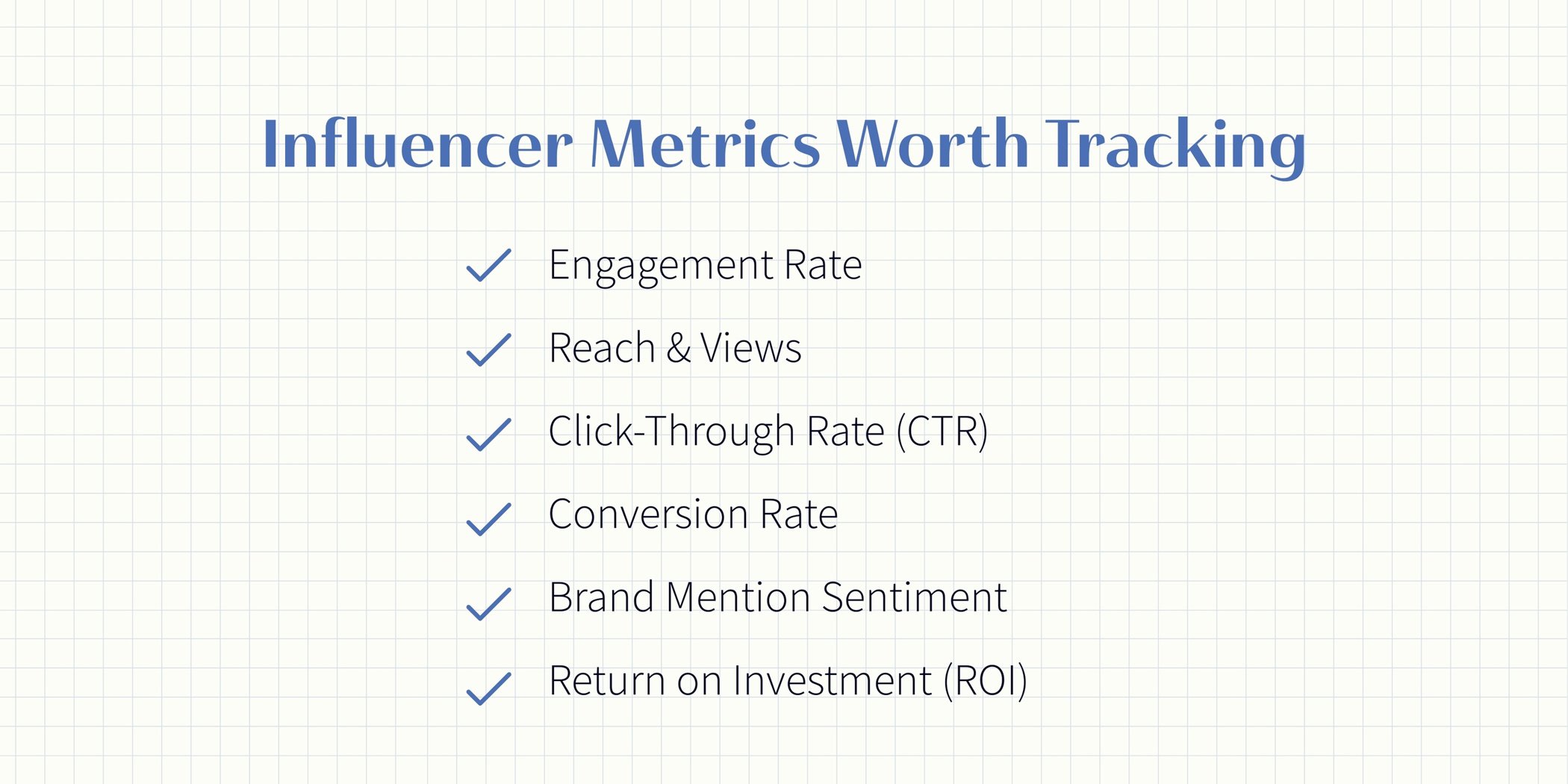
In 2026, brands aren't just asking "how many people saw this?" They're asking "how many people bought something because of this?"
Likes and impressions alone no longer tell the full story—and the smartest marketers know it.
9 in 10 marketers say sponsored influencer content outperforms brand content in terms of engagement. Another 83% say it converts better.
That's not influencer marketing as a nice-to-have. That's influencer marketing as a core revenue channel.
For every $1 spent on influencer marketing, businesses are seeing an average return of $6.50.
The ROI is measurable—and brands are finally building campaigns that prove it.
The Rise of Micro-Influencers on Social Media
If you're still chasing mega-influencer partnerships with millions of followers, we need to talk.
Micro-influencers—creators with 10,000 to 100,000 followers—are having their moment, and for good reason.
They're more trusted. More niche. More them. And their audiences actually listen.
Brands are partnering with micro-influencers 10 times more than mega-influencers in 2026.
Think about it this way: A recommendation from a micro-creator feels like your friend texting you about a product. A recommendation from a celebrity feels like a billboard you scroll past.
🤔 🛒 Which one makes you add to cart?
“TikTok nano-influencers achieve 10.3% engagement rates,
while micro-influencers hit 8.7%—both substantially
outperforming macro & mega-influencers on the platform.”
Social Media + Influencers = Commerce
The New State of Influencers and Social Media
Influencers and social media have always been linked—but in 2026, they're practically married to your shopping cart.
U.S. social commerce sales surpassed $100 billion in 2025, with continued growth expected throughout 2026. The gap between "I saw it on Instagram" and "I bought it on Instagram" is closing fast. 86% of consumers make an influencer-inspired purchase at least once a year—and nearly half do so monthly or more.
Platforms like TikTok Shop, Instagram, and YouTube are making in-app purchases seamless.
Influencers aren't just creating content anymore. They're functioning as digital sales partners—and brands are structuring their creator partnerships accordingly.

Long-Term Influencer Partnerships > One-Off Campaigns
In 2026, the most effective influencer strategies are built on ongoing relationships. Brands and creators are collaborating across multiple months—sometimes years.
Authenticity isn't a buzzword here. It's the whole point.
When an influencer talks about your brand in January, February, and May?
Their audience notices. They believe it.
We're also seeing influencers step into formal roles at brands—serving as Creative Directors, brand consultants, and long-term creative collaborators.
The best activations are built with creators, not around them.
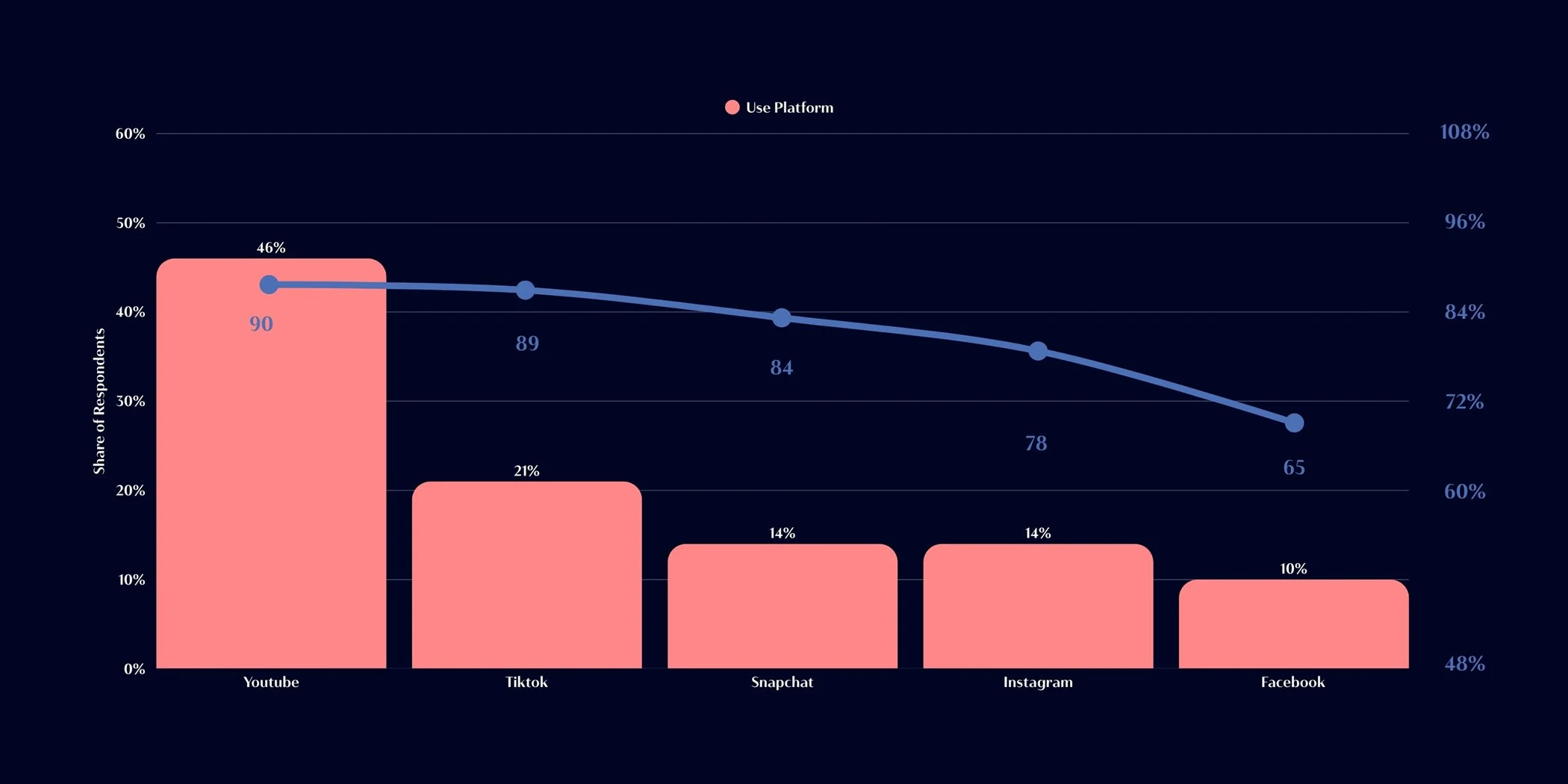
Gen Alpha Is Shaping the Future of Social Media (And They Spend Differently)
One more thing to put on your radar: Gen Alpha's spending power is growing fast.
This generation—born roughly between 2010 and 2025—is already shaping brand trends in real time.
Brands targeting Gen Alpha are leaning into:
📦 Minimalist packaging
🌿 Stripped-down ingredients
📲 Shareable content that feels made for them, not served at them
▶️ YouTube, in particular, is their platform of choice
If your brand targets a younger demographic and you're not thinking ahead to this audience, 2026 is the year to start.
What Influencers and Social Media Mean for Your Brand
Here's the short version.
Influencer marketing in 2026 is:
👉 Strategic
👉 Measurable
👉 Built on authentic relationships
Real relationships are important—both between brands and creators, and between creators and their communities.
The brands that will fall behind? The ones treating influencer content like a checkbox.
The brands that will thrive? The ones building long-term creator partnerships rooted in storytelling, data, and a genuine understanding of their audience.
Social media is still the most powerful brand-building tool available.
But the way you use it matters more than ever.
Ready to Get Strategic on Social Media?
At Scott Social, this is exactly what we do—and we love doing it.
From identifying the right influencer partnerships to building content strategies that balance aesthetics with performance, we handle the entire social media process so you can focus on running your business.
If you're ready to stop guessing and start growing, let’s talk.
More TIPS ON INFLUENCER MARKETING ↓


WRITTEN BY:
Hailey Johnston
Social Media Strategist